


Why does MDFA conduct Social Impact research?
MDFA is committed to understanding the impact of macular disease on people who live with a macular or retinal condition. One of the ways we do this is through our Social Impact research.
MDFA’s Social Impact studies explore how living with a macular or retinal condition and vision loss affect people’s lives and health, their experiences with MDFA services, and as well as gaining a deeper understanding of specific topics such as mental health, use of low vision aids, stopping driving, and costs associated with treatment, care, and government support in Australia.
Thank you to everyone who shared their experiences. Your responses help MDFA to identify unmet support and information needs, shape our programs and services, strengthen our advocacy activities and define research priorities, to ensure we continue responding to the needs of people living with macular disease.
Who shared their experiences?
Participants were on average 80 years old. In addition:
-
7 in 10 respondents were females
-
1 in 2 respondents lived in cities
-
1 in 100 respondents identified as Aboriginal or Torres Strait Islander
-
8 in 10 respondents reported having AMD, of whom 4 in 10 had neovascular (wet) AMD


Living with a macular or retinal disease
Respondents told us that living with a macular or retinal disease affects their independence, relationships, finances, safety, and ability to carry out everyday activities, causing worry and a sense of loss for them, their carers, and families.
Key findings
One in 3 people reported that their macular or retinal disease impacted their ability to perform daily tasks. One in 6 people reported a high impact on their daily lives, in particular, older people, people with advanced stages of macular disease and those with poorer vision. One in 5 people reported a significant impact on their work productivity.
More than 1 in 3 people had fallen in the previous year.
Being worried about being scammed or losing money was also reported by 1 in 4 people with ‘fair’ or ‘worse’ self-rated vision.
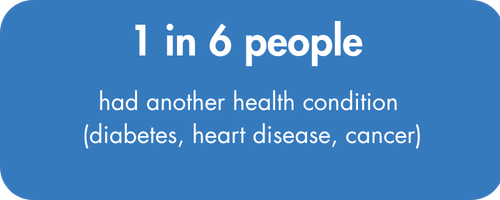
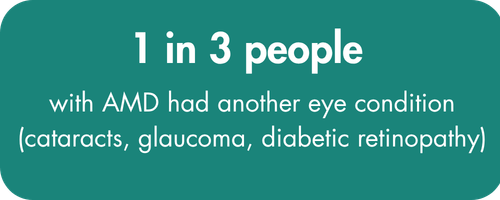
When asked about another eye or health condition that made it difficult to manage their macular disease:
“My greatest fear is I will eventually go blind. I live on my own and cherish my privacy, the thought of losing my independence is frightening and something I try not to think about.”
Why it matters
These findings provide valuable insights into how macular disease affects people’s lives and health, wellbeing and quality of life, helping MDFA to identify support gaps and improve our services and resources.
Learn more about living with vision loss and MDFA’s Eye Connect support service.
Mental health
Living with a macular disease affects more than vision – it can affect emotional wellbeing too.
Many survey respondents reported feeling anxious, frustrated, isolated, worried about future vision loss, and a loss of confidence.
Support from family, friends and the community were described as important for coping.
Key findings
Validated mental health assessment tools, embedded in the survey, explored the presence of symptoms related to anxiety and depression in respondents.
We found that 1 in 6 people reported having a mental health condition, with 3 in 10 people taking medicines to improve their mental wellbeing.
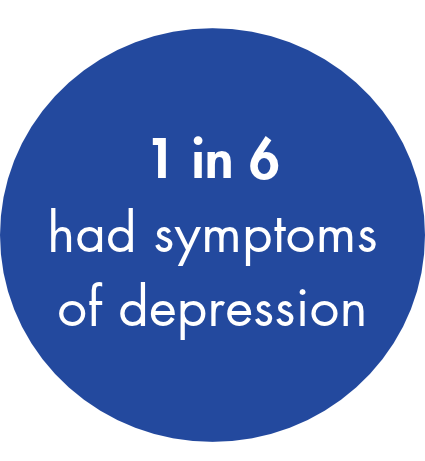
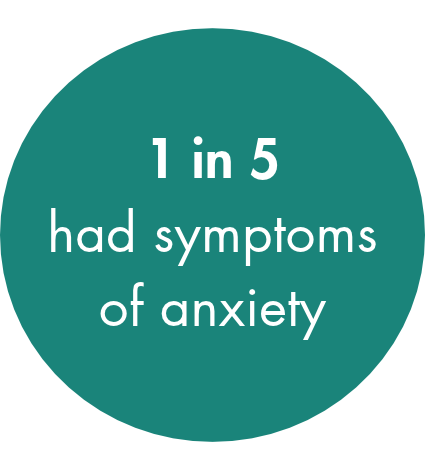
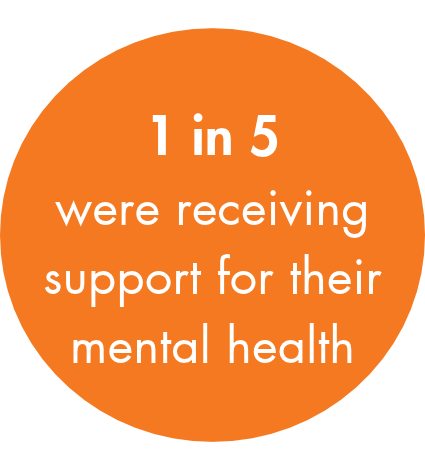
People with poor self-rated vision were more likely to report feeling lonely or depressed.
“The staff and everyone I am meeting along my journey have been kind, friendly, helpful. I am very afraid of what might happen if I lost my sight.”
Why it matters
Vision loss can affect mental wellbeing, confidence and independence, highlighting the need for holistic support alongside ongoing eye care.
MDFA’s free, personalised Eye Connect service helps assess emotional wellbeing, and connects people to mental health care and support if needed.
Learn more about MDFA support services and emotional and mental health.
Eye injections
Eye injections help preserve sight, but ongoing costs, frequent appointments and long travel distances can make continuing with treatment difficult.
Key findings
Eight in 10 people believe regular injections can help with their macular disease, 1 in 10 people were unsure.
Eight out of 10 respondents with neovascular (wet) AMD were having eye injections.
Of those receiving eye injections;
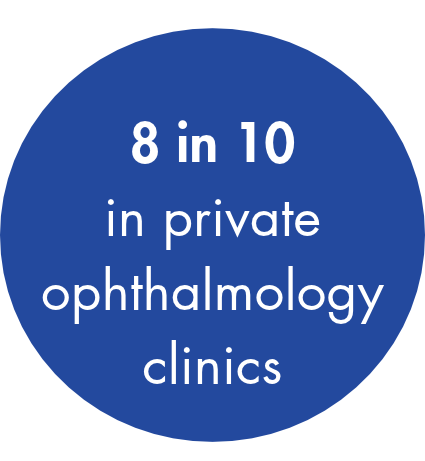
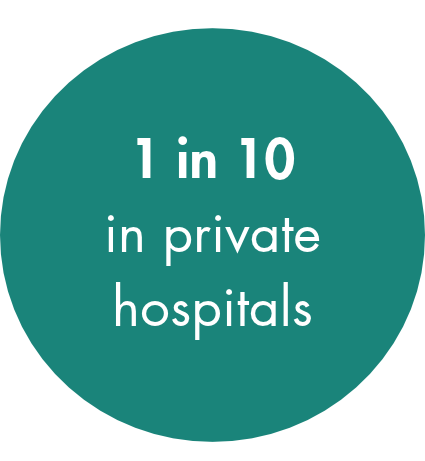
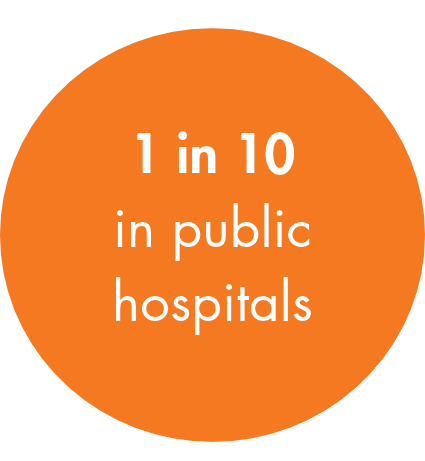
Nine in 10 people with neovascular (wet) AMD agreed with the statement “Without treatment, my macular condition will have a negative impact on my day-to-day life”.
Despite being recommended treatment, 3 in 100 people choose not to have eye injections, and 1 in 50 had injections, but not as often as recommended.
Out-of-pocket payments related to eye injection treatments are challenging for people, with 1 in 10 people stopping treatment due to cost.
Other barriers to staying on treatment were fear of injections, discomfort associated with injections and distance to travel for treatment.
“Continue to fight for lower injection costs. Some people can’t afford them and in the public system, wait time is more than a year. At the end of the day, when people lose their vision, the government will be required to support them.”
Why it matters
Understanding the benefits, costs, practical demands and burden of having eye injections helps MDFA to identify ways to improve support for people having eye injections, as well as inform our advocacy to increase access to affordable eye injection treatment services, and reduce cost barriers, to support ongoing care.
You can find out more about eye injections by clicking the link.
Driving and the impact of stopping driving
Having to stop driving can have a significant impact on people living with a macular disease, including loss of independence and social connection, and on mental health and wellbeing.
More than half of respondents were still driving at the time of the survey, with more than half of these drivers feeling confident in their driving.
Key findings
More than half the respondents who still drove had a high level of concern about losing their driver licence in future due to vision loss, with 3 in 4 people having a high level of concern about losing their independence if they stopped driving.
When it comes to why respondents had stopped driving:
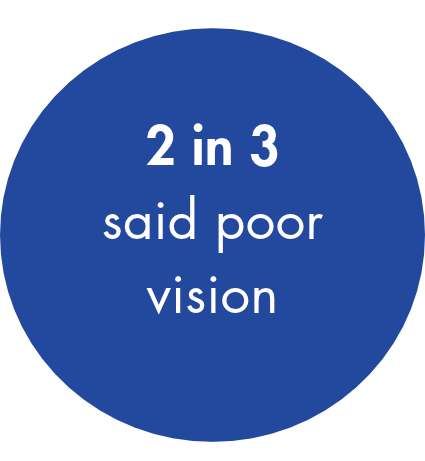
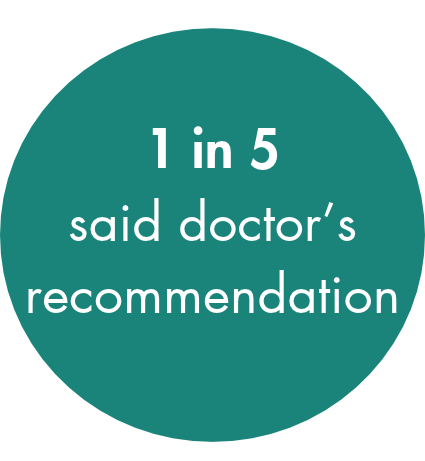
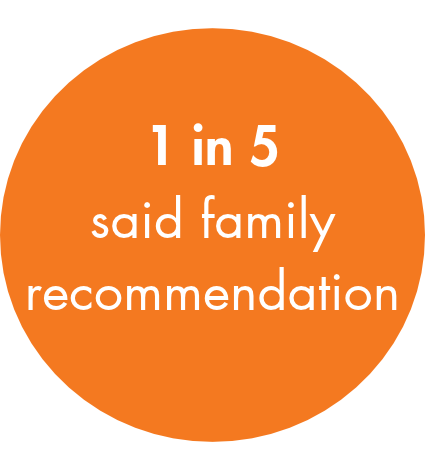
After stopping driving:
-
8 in 10 people said they felt a loss of independence
-
4 in 10 felt socially isolated,
-
1 in 3 felt less satisfied with life, and
-
1 in 25 felt depressed
In addition, the survey found that the overall annual costs for people living with a macular or retinal disease were 3-4 times higher for people who had stopped driving compared with people who were still driving.
“I am concerned about losing my driver’s license one day and thus losing all my independence to get out and about for shopping etc.”
Why it matters
Driving helps support independence, and losing a licence because of vision loss can be distressing. It can impact daily and family life, travelling to appointments, and social connections.
MDFA provides information about driving and vision loss, including guidance to information about state and territory regulations, through the MDFA National Helpline on 1800 111 709.
Cost of living with macular disease
Living with a macular or retinal disease can create significant financial pressure, particularly for older people on limited incomes.
Direct costs such as treatment, low vision aids, care and support, and travel, and indirect costs including time spent at appointments, lost workplace productivity and unpaid carers, can be significant for many people living with a macular disease.
Key findings
The majority (8 in 10) of people who were concerned about the cost of living with a macular disease had neovascular (wet) AMD.
-
Estimated annual costs of living with AMD were about 1.5 times higher compared with the cost of living with another macular disease
-
Late-stage AMD was associated with up to 3 times higher costs compared with early or intermediate stages
-
Costs were 3 to 4 times higher for respondents with poor or very poor self-rated vision compared with people with fair vision
-
Costs were up to 5 times higher for people aged 90 years or older, compared to younger people
Medical appointments and treatments (eye injections)
People receiving eye injections experienced higher overall costs compared with people not having eye injections.
The survey found that 1 in 10 people having eye injections paid more than $6,000 per year in direct costs; this is about one fifth of the current total Australian aged pension income for a single person.
-
4 in 10 people reported significant concerns about cost of eye injections
-
1 in 3 people reported concerns about the cost of visiting their eye specialist; ophthalmologist fees are one of the highest annual costs compared with other eye health professional
-
1 in 2 people reported concerns about the cost of private health insurance

Caregivers
Half of all carers were female, and 70 years or older.
-
4 in 10 unpaid caregivers are family members or a partner/spouse
-
1 in 6 caregivers took time off work to provide up to 7 hours of care per week

Employment
People who were employed reported being worried about having to take time off work due to their vision, the negative impact on productivity and the possibility of losing their job.
-
1 in 20 respondents were employed at the time of the survey
-
1 in 5 reported a moderate to significant effect on work productivity
-
4 in 10 people expressed high levels of concern about the financial impact from loss of income if they could no longer work
“I know I’m lucky that the Government funds the treatment for wet macular disease, but I still have to pay about $1,000 in upfront costs for the injections for both eyes each month. Until I reach my Medicare rebate threshold, I’m out of pocket each month, which is hard for a pensioner.”
Why it matters
Understanding the financial challenges of living with a macular or retinal disease is essential to inform and strengthen MDFA’s advocacy activities aimed at reducing the cost of eye injection services and improving access to public hospital eye injections.
Find out more about MDFA’s advocacy activities.
Find out more about Government funding and services.
Healthy living and healthy eating
A healthy lifestyle is important for those at risk of a macular or retinal disease. However, some people may face challenges making changes to their lifestyle and eating patterns.
Lifestyle changes
Lifestyle changes including improving eating patterns and encouraging physical activity are often advised for people with a macular or retinal condition, to help maintain their overall health, including their eye health.
-
6 in 10 people made the lifestyle modifications advised by their health practitioner after diagnosis
-
4 in 10 people made modifications after advice from MDFA
Not everyone felt able to modify their lifestyle.
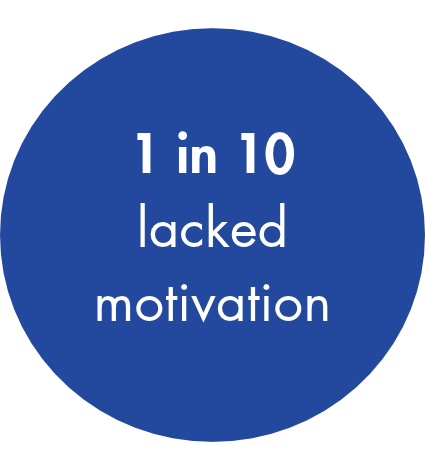
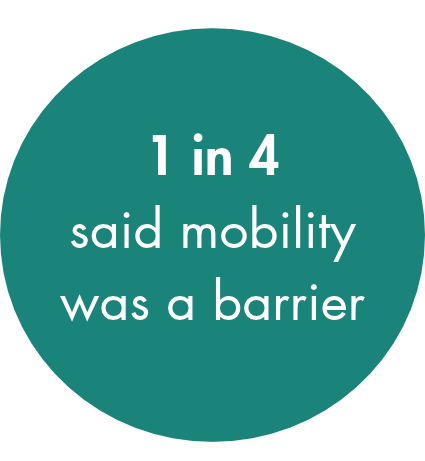
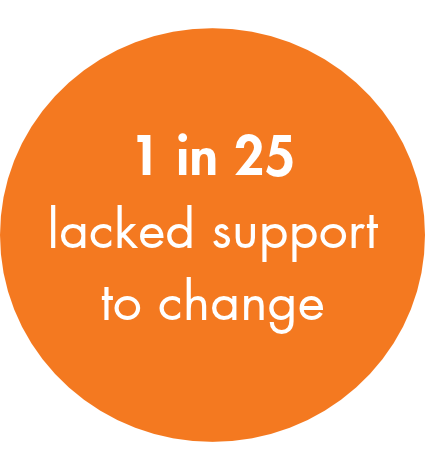
Other barriers to making lifestyle changes included financial concerns (1 in 20 people), and difficulty accessing information resources (1 in 10 people).
Supplements
Many people living with a macular disease reported taking nutrition supplements for eye health, but there was inconsistent understanding about the benefits of taking them, concerns about the cost of supplements, and difficulty reading supplement labels.
-
7 in 10 people with intermediate AMD were taking supplements
-
6 in 10 people with early AMD, and 7 in 10 people with other forms of AMD were taking nutrition supplements despite the lack of evidence to support taking them
Of those people with intermediate AMD not taking supplements:
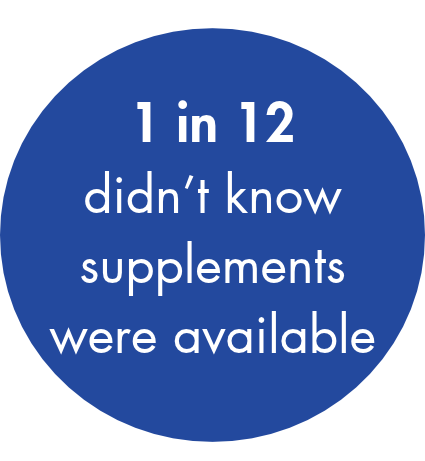
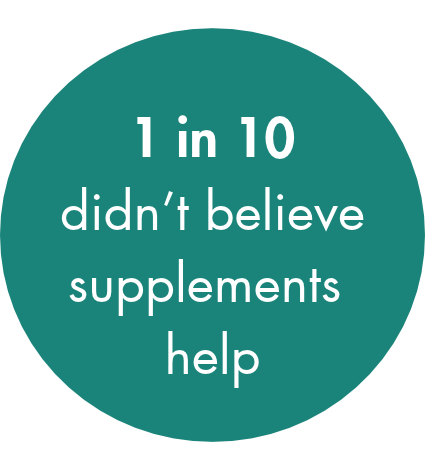
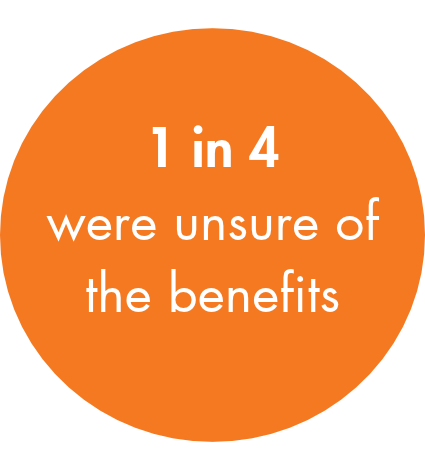
Other reasons for not taking supplements included: supplements had not been suggested to them (1 in 5 people), and cost (1 in 25 people).
Why it matters
Clear, accessible information about healthy eating and nutrition supplements can support people with AMD to make informed decisions about making healthy lifestyle changes.
Following a healthy eating pattern, which includes eye friendly foods and nutrients, is good for overall wellbeing, as well as eye health.
Head to our website to find out more about nutrition for AMD and nutrition and lifestyle modification.
Low vision aids and assistive technology
Low vision aids and assistive technologies can help support independence, but they are relatively under used.
Reasons for this include cost, people not understanding how to use the aids or technologies, limited access/availability, and not knowing where to access them, particularly for people with low vision living in rural areas.
Key findings
About one third of respondents said they had purchased a low vision aid in the previous 12 months, with 6 in 10 people using these assistive technologies to see small print.
The majority of people (7 in 10) agreed or strongly agreed that these aids were critical to their quality of life.
-
4 in 10 use their low vision aids always or often
-
1 in 3 people with poor or very poor vision use low vision aids and technologies when needed
-
1 in 5 people use them sometimes
Reasons for not using low vision aids or technologies included:
-
1 in 6 people did not feel they needed them
-
1 in 10 people did not believe they were useful
-
1 in 10 people had never tried them
-
1 in 10 people said they didn’t have or use them due to the cost
“Please advocate for more government funding as [assistive aids and technologies] are very expensive.”
Why it matters
Improved information, guidance and support can help build awareness, and address affordability barriers, enabling people with low vision to access and choose aids and technologies that support their independence and improves quality of life.
These findings have also supported MDFA’s advocacy for greater access to, and government funding for, low vision aids and assistive technologies.
You can access more information about low vision aids and technology by following this link: Low vision aids and technology | Macular Disease Foundation Australia Macular Disease Foundation Australia
Knowledge and information about macular disease
Understanding of eye conditions, treatments and healthy behaviours was generally strong, but lower among people with poorer vision or advanced AMD, highlighting the need for targeted education and support.
Key findings
Almost everyone said they had been able to access information about their macular or retinal disease.
Most people got information about their eye condition directly from their ophthalmologist, with others getting information from MDFA, their GP, the internet, and friends or family.
People with more than one eye condition were more likely to get information from their ophthalmologist compared to those with a single eye condition
However, the survey also found that:
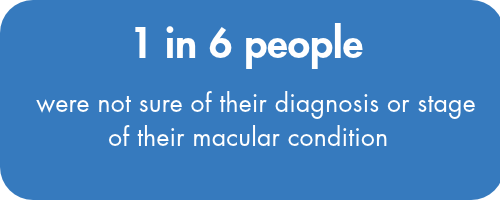
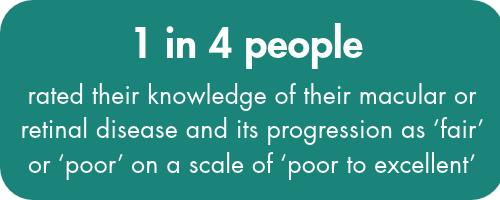
Using an Amsler grid
The majority of survey respondents with AMD and self-reported ‘good’ or ‘excellent’ vision said they understand the importance of using an Amsler grid.
-
8 in 10 people use an Amsler grid
-
Only 3 in 10 people use it every week
Barriers to using an Amsler grid included not knowing how to use it, forgetting to use it, not believing it is beneficial, lack of time, and using other methods to assess changes in vision
Eye examinations
Almost all respondents believed regular check-ups with an eye health professional are beneficial, with 9 in 10 people visiting an eye health professional at least once a year.
When asked if they had seen an eye health professional in the previous three months:
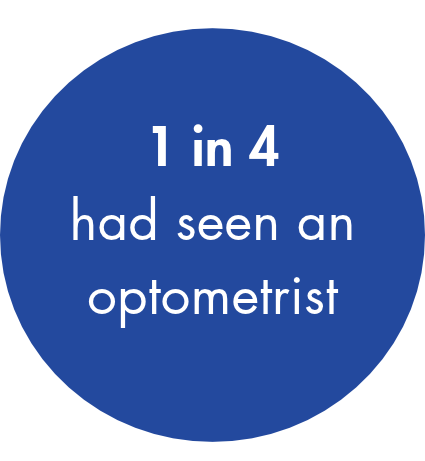
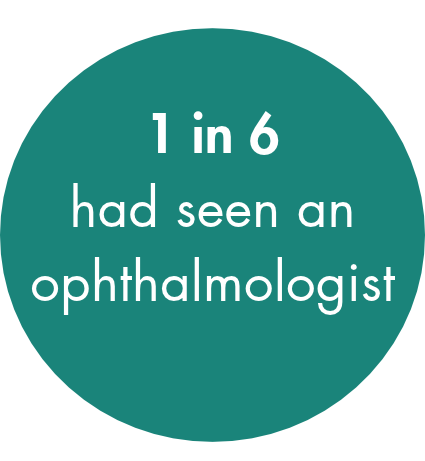
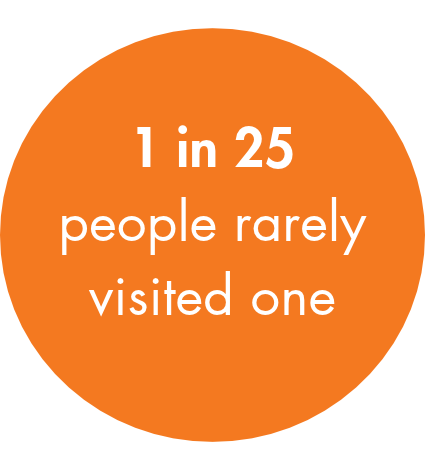
Those who did not have regular eye examinations said that cost and distance were key reasons for not doing so, followed by the belief that there is ‘no need’ for examinations, or they did not know where to go.
Why it matters
These findings highlight the importance of accessible education, information, support and services for people living with macular disease.
MDFA has continually worked on strengthening education and addressing knowledge gaps to support informed decision-making and improved access to eye health care services and resources.
The MDFA website has information about living with vision loss. You can find it here: Moving Forward with Vision Loss | Macular Disease Foundation Australia
Join Eye Connect today

If you have AMD or a diabetes related eye-condition, why not call us and find out more about Eye Connect, MDFA’s personalised, comprehensive support service for people living with macular disease and diabetes-related eye conditions.
You can find out more about Eye Connect here: Eye Connect – Macular Disease Foundation Australia
You can access digital resources or order printed MDFA resources on our website. Follow this link: Digital Resources and Products
